
New to offshore? This complete guide explains offshore job types, the skills and OPITO safety certifications you need, salary expectations and how to start your career from India.
What is Offshore Work?
Offshore work involves operating and maintaining oil & gas installations at sea — drilling rigs, production platforms and support vessels. Personnel typically work rotational shifts (for example 14/14 or 28/28) and travel to the installation by helicopter or boat.
Types of Offshore Jobs
Common entry roles include roustabout, roughneck, deck crew, catering and stewarding. Skilled and technical roles include electricians, mechanics, instrument technicians, welders, crane operators, riggers, medics, HSE officers and engineers.
Skills Required
Beyond your trade or qualification, offshore employers value safety awareness, physical fitness, teamwork, the ability to follow procedures and stay calm under pressure. Strong communication and reliability matter enormously in a high-risk environment.
Essential Safety Certifications
Before you can travel offshore you need recognised safety training — most commonly OPITO BOSIET (or T-BOSIET for tropical regions). Many roles also require H2S awareness, MIST and, depending on the job, specialist tickets such as Banksman & Slinger or Rigger.
OPITO Courses Explained
OPITO is the global skills body for the energy industry. OPITO-approved courses — BOSIET, HUET, FOET, T-BOSIET and others — are recognised by operators worldwide, so training once lets you work across regions and employers.
Salary Expectations
Offshore pay varies by role, region and experience, but is generally well above equivalent onshore work because of the rotational lifestyle and conditions. Entry-level roles build quickly once you gain experience and additional certifications.
Common Mistakes Beginners Make
The biggest mistakes are skipping recognised (OPITO) certification, applying without an offshore medical, and underestimating the importance of safety culture. Investing in proper training first makes you far more employable.
Career Growth Path
Many start in deck or entry roles and progress into technical, supervisory and management positions — for example from roustabout to crane operator, or technician to supervisor — by adding certifications and experience over time.
How IMOST Helps You Prepare
IMOST Academy delivers the OPITO-approved safety certifications offshore employers ask for, right here in India — so you can get job-ready without travelling abroad.
Train at IMOST Academy
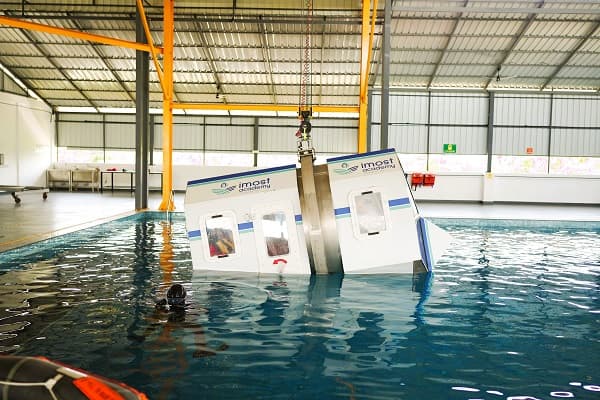
IMOST Academy is an OPITO-approved offshore safety training centre in Kochi, Kerala, with a 10-acre campus, modern survival pool, helicopter underwater escape simulator and dedicated fire ground. Contact us or call +91 80757 87307 to plan your training.